Home EV Charger Installation Done Right the First Time
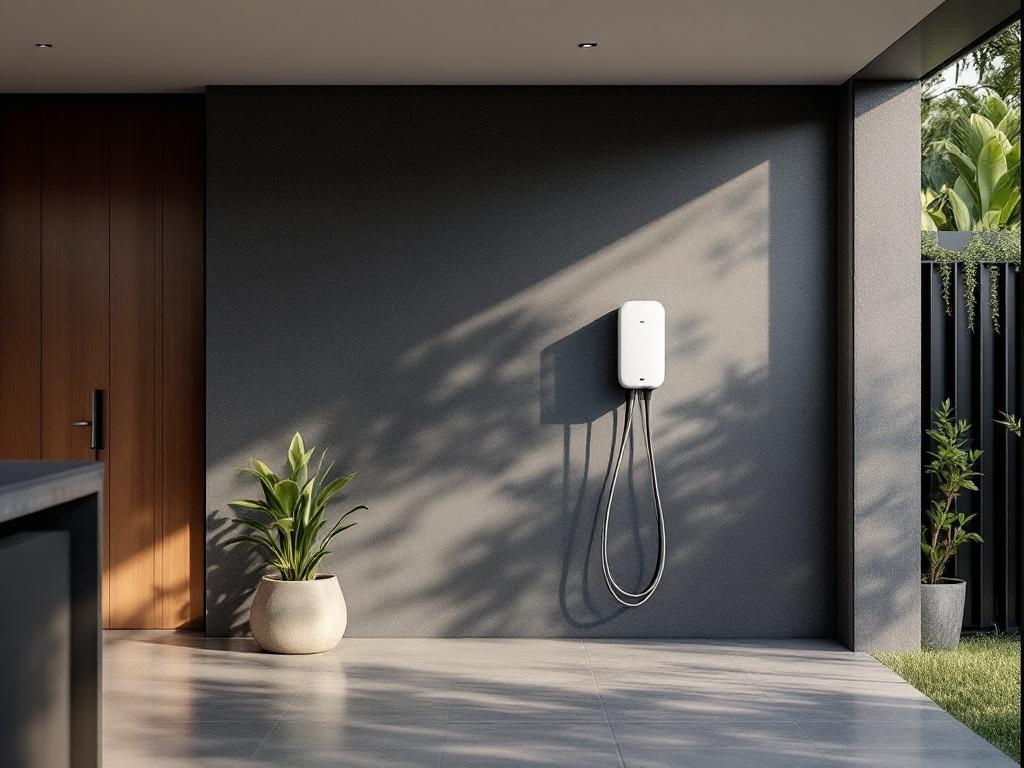
A dedicated Level 2 charger cut from your main switchboard beats a slow 10A outlet every time — and the difference starts with who installs it.
- Licensed electricians handling full switchboard-to-charger runs
- Correct circuit sizing for 7kW, 11kW, and 22kW chargers
- Serving Cronulla, Miranda, Sutherland, Caringbah and surrounds
- Grid-compliant installs that satisfy your EV manufacturer's warranty
Why Specialist Installation Matters for Home EV Charging
Plugging an EV into a standard 10A GPO is slow — a depleted 60kWh battery can take well over 24 hours to recover — and it pushes a domestic outlet to its thermal limit night after night. A dedicated 32A or 40A circuit with a hardwired or Type 2 outlet solves both problems, but it is not a straightforward cable run. The circuit must be protected with a Type B or Type A RCD matched to the charger's requirements, the cable must be correctly derated if it runs through roof insulation (common in older brick veneer homes across Sutherland Shire), and the switchboard must have genuine spare capacity.
Cheaper quotes often skip the switchboard audit. An undersized main switch or a board still running rewirable fuses cannot safely support a 7kW draw running for six to eight hours every night. Discovering that mid-job means unexpected upgrade costs. Voltie Electrical assesses your switchboard, metering arrangement, and proposed charger location before any cable is pulled, so the scope is fixed upfront.
The Sutherland Shire mix of 1960s–80s brick homes, split-level properties, and newer estate builds in Menai and Illawong creates genuinely varied installation challenges. Cable routes from switchboard to garage can mean navigating concrete slabs, subfloor cavities, or long external conduit runs — each affecting material and labour time differently. Understanding those local building types is not a marketing line; it changes how a job is quoted and executed.
What a Proper Home EV Charger Install Actually Involves
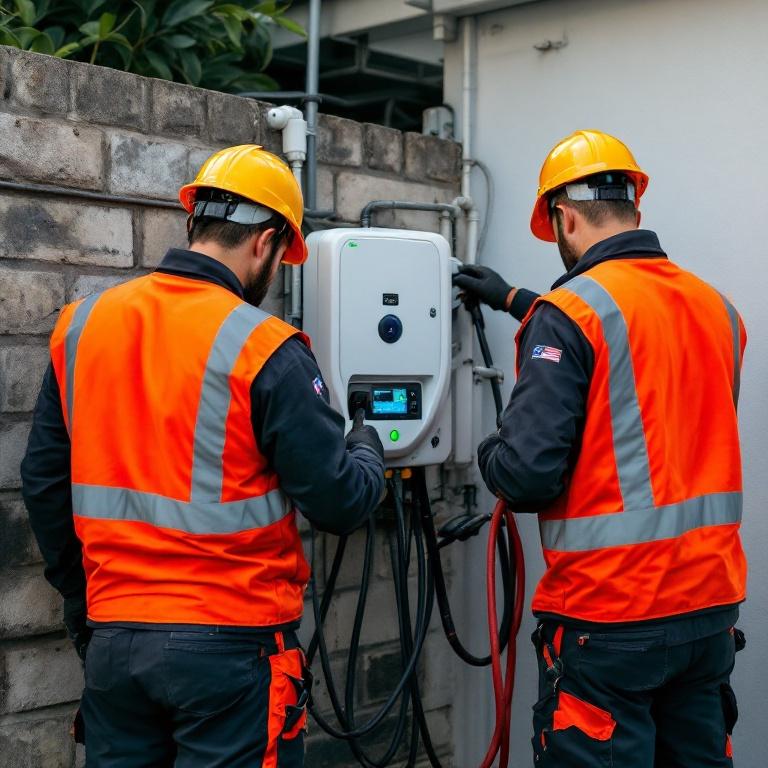
Every installation begins with a site assessment: switchboard age and capacity, metering type (single-phase vs three-phase), cable route options, and the charger's rated output. From there the process follows a defined sequence that meets AS/NZS 3000 wiring rules and any network distributor requirements in the Ausgrid or Endeavour Energy zones covering this area.
- Switchboard inspection — check spare ways, main switch rating, and existing RCD coverage
- Dedicated circuit run — correct cable size (typically 6mm² or 10mm² TPS or multicore) with appropriate conduit or clip p
- RCD and MCB selection matched to charger type and manufacturer spec
- Charger mounting — wall bracket, weatherproofing, and cable management
- Load test and functional check before handover
- Certificate of Compliance (electrical work) issued on completion
Charger Types and Scenarios We Install
What You Get With Voltie Electrical
Certificate of Compliance Issued
Every EV charger install is completed with a formal Certificate of Electrical Compliance, satisfying insurer and manufacturer warranty requirements.
AS/NZS 3000 Compliant Wiring
All circuits are designed and installed to current Australian wiring rules, including correct RCD type selection for EV charger leakage characteristics.
Switchboard Assessed First
No circuit is quoted without checking your board has genuine capacity — avoiding the costly mid-job discovery that a panel upgrade is also needed.
What Homeowners Across the Sutherland Shire Say
Real reviews from EV charger installs in Cronulla, Caringbah, Sutherland, and surrounding suburbs.
Home EV Charger Installation — Common Questions
Ready to Charge at Home — Properly?
Book a site assessment and get a fixed-scope quote that covers everything from switchboard to charger outlet.
Book Your EV Charger Installation
Tell us your suburb, charger model if known, and whether you have solar or a three-phase supply — it helps us give you an accurate quote faster.