Best Home EV Chargers in 2026: Which One Suits Your Car
A practical guide to choosing the right home EV charger — by car type, charging speed, and what the warning signs of a poor setup look like.
Which home EV charger is actually best in 2026?
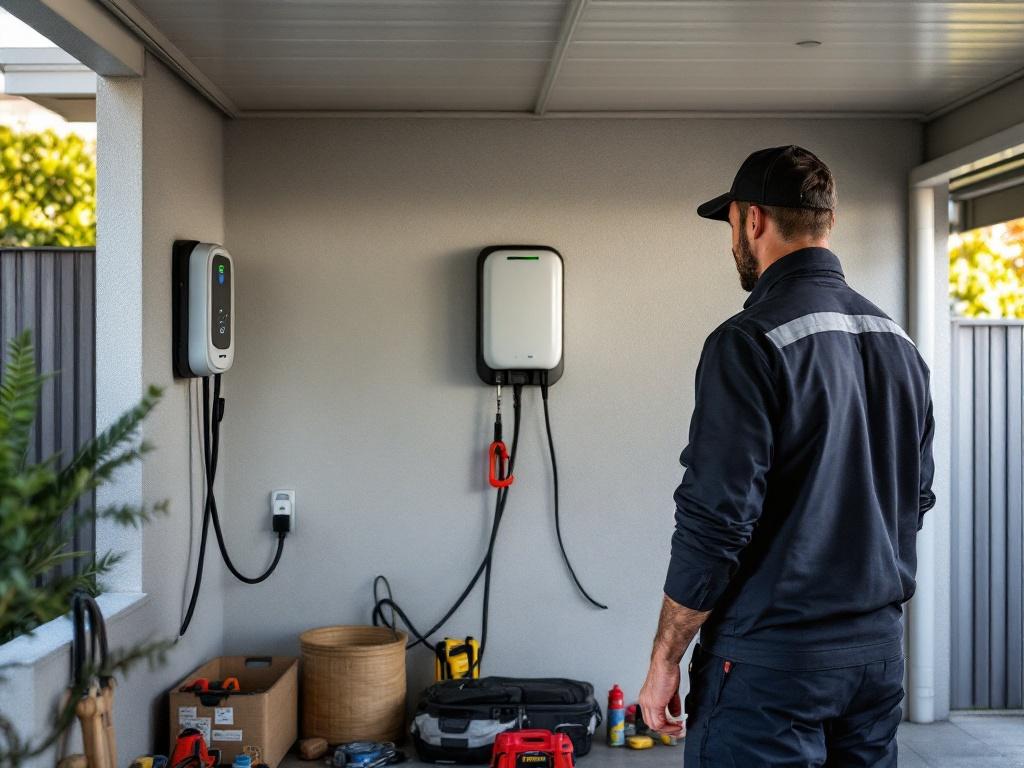
The best home EV charger in 2026 depends on your car's onboard charger capacity, your daily driving distance, and the electrical infrastructure at your property. There is no single answer — a Tesla Model 3 owner in Cronulla has different needs to someone running a Nissan Leaf in Engadine.
Most Australians will do well with a 7.4 kW single-phase wall connector. This charges a typical 60–80 kWh battery from near-empty overnight, which covers the vast majority of daily driving habits. If your home already has three-phase power — common in newer builds around Sutherland and Menai — a 22 kW charger becomes a realistic option that slashes charge times significantly.
The key specs to check before buying anything: your car's maximum AC charge rate (listed in the owner's manual), your home's available amperage, and whether your switchboard is up to the job. Getting those three things aligned is what separates a smooth install from an expensive redo.
Warning signs your home EV charging setup has a problem
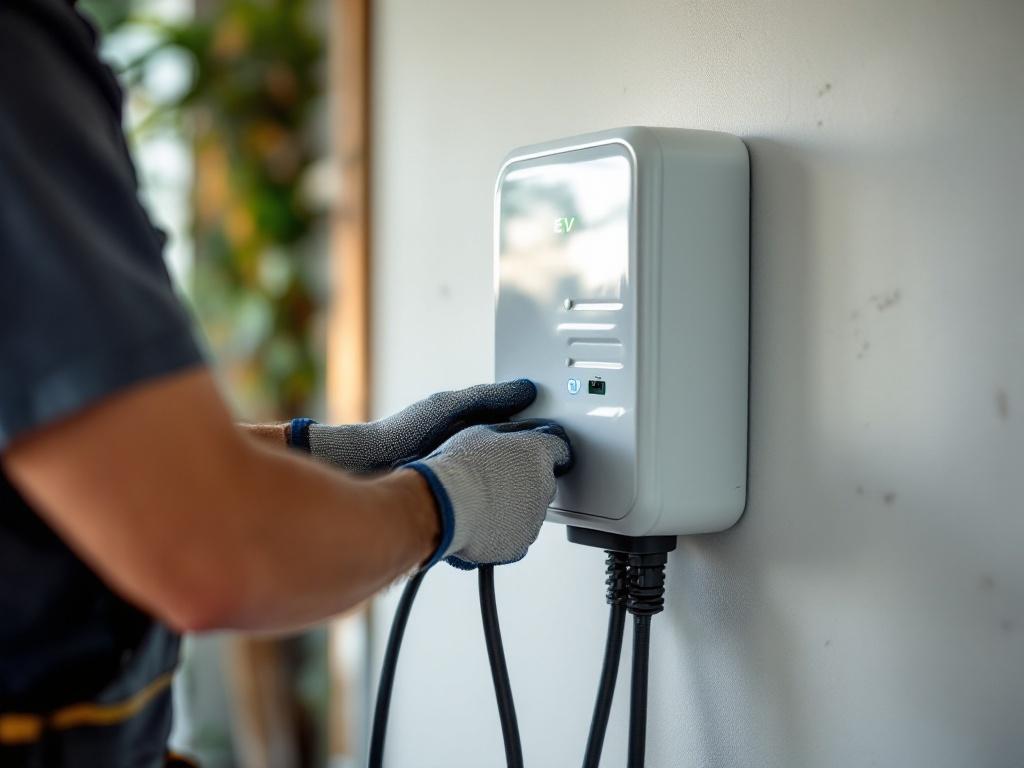
A faulty or undersized home EV charging setup will usually give you clear signals before anything serious fails. The most common symptom is charging stopping mid-session for no apparent reason — your car shows an interrupted charge in the morning despite being plugged in all night. This typically points to the charger overheating, a loose connection at the wall, or a circuit breaker tripping repeatedly under load.
Other warning signs to watch for: a burning smell near the charger or switchboard (urgent — stop using it immediately and call a licensed electrician); the charger unit feeling hot to the touch after a session; flickering lights elsewhere in the house while charging; or the circuit breaker for that circuit tripping more than once. Discolouration or scorch marks around the outlet or wall connector are a red flag that should not wait.
Slower-than-expected charging is less urgent but still worth investigating. If a full charge is taking noticeably longer than your car's spec suggests, the issue is often a degraded cable, a loose terminal, or the charger operating in a reduced-power fault state. These can usually wait a few days — but they will not fix themselves.
Which symptoms are urgent and which can wait?
Urgent — act the same day: any burning smell, visible scorch marks, sparking at the outlet, or a breaker that keeps tripping. These indicate a live electrical fault. Unplug the vehicle, switch off the dedicated circuit at the switchboard, and contact a licensed electrician. Do not attempt to inspect the wiring yourself.
Can wait a few days: consistently slow charge speeds with no error codes, a charger that occasionally drops to a lower power mode, or a cable that feels warm (not hot) at the plug end. Log the behaviour — how often it happens, at what state of charge — so your electrician has useful information to work from.
Monitor and review: a single interrupted charge session with no repeat, minor app connectivity glitches, or a charger that takes a few seconds longer to handshake with the vehicle. These are often software-related and may resolve with a firmware update from the manufacturer.
Does your switchboard need an upgrade before installing an EV charger?
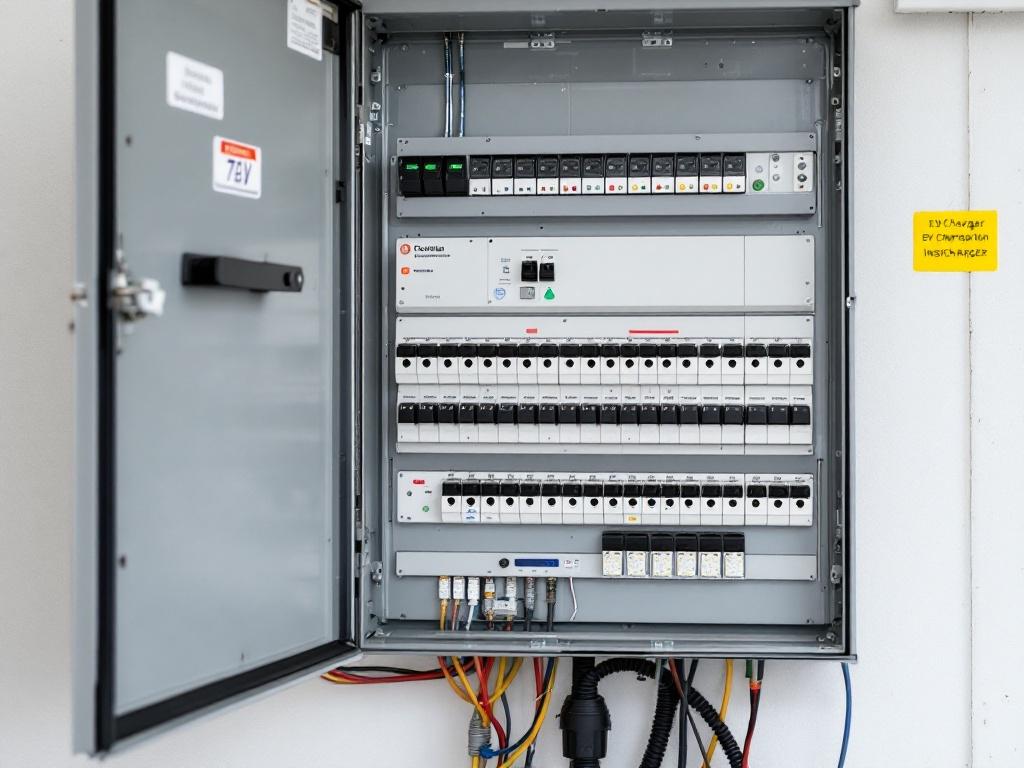
A switchboard upgrade is required when the existing board cannot safely carry the additional load of a dedicated EV charging circuit. Older homes — particularly those in suburbs like Kirrawee, Gymea, and Caringbah built before the 1990s — often have ceramic fuse boards or undersized consumer mains that cannot support a 32-amp EV circuit without posing a risk.
Signs your switchboard may need attention before installation: fuses rather than circuit breakers, no residual current devices (RCDs) protecting power circuits, a board that already feels warm, or an electrician who notes the mains cable is undersized for the total load. A switchboard upgrade adds cost and time to the project, but skipping it creates the exact fault conditions described above — overheating, tripping, and potential fire risk.
A licensed electrician must assess this before any charger is fitted. In most cases they will conduct a load calculation and inspect the incoming supply before recommending whether an upgrade is needed. This is not a step that can be self-assessed.
Tesla charger installation: what's different compared to other EVs?
Tesla vehicles use a proprietary connector in Australia (the Tesla Wall Connector uses the Tesla AC port), which means the charger hardware itself is brand-specific. However, the electrical work behind the wall — the dedicated circuit, the correct cable sizing, the earthing, and the RCD protection — follows the same Australian standards as any other EV charger installation.
The Tesla Wall Connector supports up to 7.4 kW on single-phase and up to 22 kW on three-phase, matching the car's onboard charger limit. For most homeowners, the Gen 3 Wall Connector installed by a licensed electrician is the cleanest and most reliable option. Avoid using a standard 10-amp GPO for anything beyond occasional emergency top-ups — it is slow and not designed for sustained high-current overnight charging.
One Tesla-specific consideration: the Wall Connector can be configured for load sharing across multiple units, useful if you have two Teslas or plan to add a second vehicle. This requires correct commissioning at the time of install, so flag it with your electrician beforehand rather than retrofitting it later.
Frequently asked questions
What our customers say
"Voltie Electrical were fantastic from start to finish — turned up on time, explained everything clearly and left the place spotless. Highly recommend to anyone in Cronulla."
"Really happy with the ev charger installation here in Miranda. Fair price, genuinely professional, and no mess left behind. Will definitely use Voltie Electrical again."
"Fast, friendly and reliable — Voltie Electrical sorted everything the same day and kept me updated the whole way through. Great local service in Sutherland."
Ready to install a home EV charger in the Sutherland Shire?
Voltie Electrical services Cronulla, Miranda, Caringbah, and surrounding suburbs — contact us for a straightforward quote on home EV charger and Tesla charger installation.